
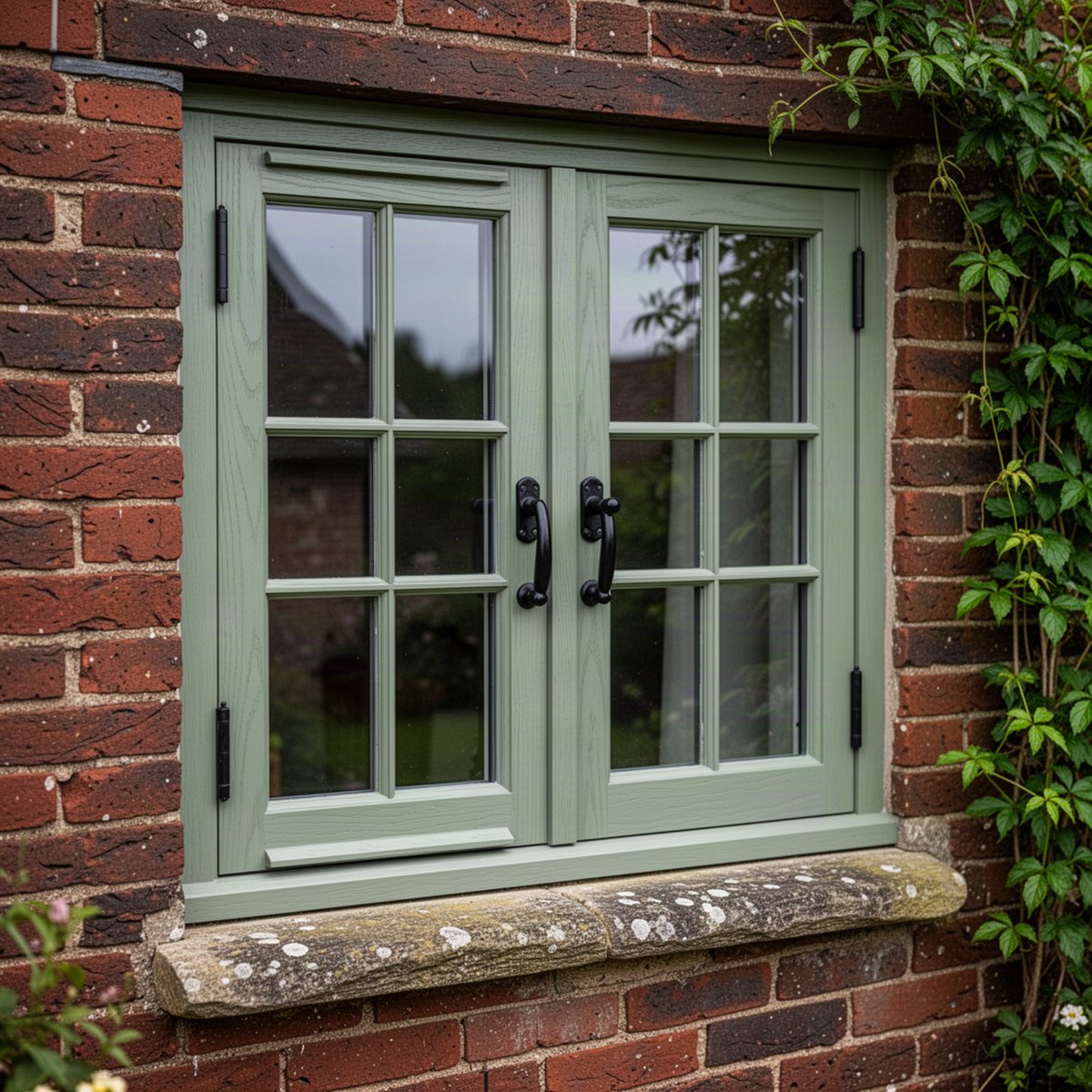
That one detail gives a clean, timber style finish that homeowners keep asking for, on period cottages and modern new builds alike. For installers, it means a higher value job, as long as you specify, survey and fit it properly.
This guide covers what flush casement windows are, how they compare with standard casements, the choice between uPVC and aluminium, and what to check before you send an order through.
What Are Flush Casement Windows?
On a standard casement window the sash overlaps the frame, leaving a lip all the way round when it closes. On a flush casement window the sash sits inside the frame, so the outside face is one flat plane. It is the way traditional timber joinery was built for generations, which is why flush casements are often described as a timber alternative.
You will also hear them called flush sash windows. In the trade, flush sash and flush casement usually mean the same thing: a side or top hung casement with the sash set flush. They are not the same as vertical sliding sash windows, so it is worth confirming exactly what the customer means at the first visit.
Flush Casement vs Standard Casement Windows
The difference is mostly about looks, but it affects price, profile choice and fitting too.
| Standard (lipped) casement | Flush casement | |
|---|---|---|
| Sash position when closed | Overlaps the frame | Level with the frame |
| Appearance | Practical, familiar | Timber style, cleaner lines |
| Typical use | Everyday replacements | Period homes, heritage, premium new builds |
| Cost | Lower | Higher |
| Fitting tolerance | More forgiving | Needs a square, accurate opening |
A standard casement is still the right answer for plenty of jobs, especially rentals and tight budgets. A flush casement is the one to offer when the customer cares how the house looks from the street, or when the property sits in a conservation area or near other traditional homes.
“We get installers ringing us because a customer has seen flush windows on a neighbour’s house and wants the same. Once they see the finish up close, the standard casement stops being an option for them.”
Scott, Director at Nova Trade Frames
uPVC or Aluminium Flush Casement Windows?
Both materials give the flush look. The right one depends on the property and on what the customer is really buying.
uPVC flush casement windows
uPVC is the natural choice when the brief is a timber look. Woodgrain foils, heritage colours and details such as mechanical joints, dummy hinges and monkey tail handles get you very close to traditional joinery without the maintenance. Our Nova K7 timber look windows are built for exactly this, with flush casements, timber style mechanical welds, black dummy hinges, peg and stays and heritage handles.
uPVC also keeps the price closer to a standard replacement, which helps when the customer wants the look across a whole house.
Aluminium flush casement windows
Aluminium suits customers who want slim sightlines and a sharper, more contemporary finish, or who are matching aluminium doors elsewhere on the property. Our aluminium flush casement windows offer slim frames, a wide choice of powder coated and dual colours, and strong thermal performance using advanced thermal technology.
There are also three details installers tell us make life easier on site. Internal glazing is available on all fixed windows and opening sashes. The frames drain onto the external cill rather than through the face, which keeps the outside clean. And there are no wedge gaskets, because the beads are PVC backed with the gasket extruded onto the glazing bead.
“If the customer wants heritage character, I’d point them to uPVC. If they want the slimmest frame and a modern finish, aluminium every time. Get that question answered early and the rest of the quote is easy.”
Scott, Director at Nova Trade Frames
Are Flush Casement Windows Energy Efficient?
Yes. A modern flush casement performs just like a modern standard casement, because the thermal performance comes from the frame system, the sealed unit and the gaskets rather than the position of the sash. Both our uPVC and aluminium options can be glazed with double or triple glazing, and our aluminium flush casements reach U values from 1.0 W/m²K depending on the glazing spec.
The point to watch is ventilation. Customers who choose flush windows often dislike visible trickle vents, so talk through vent positions and whether the job needs them before you order, rather than at handover.
Flush Casement Windows in Conservation Areas
Many customers ask for flush casements because they live in a period home or a conservation area. According to the government’s Planning Portal guidance on doors and windows, replacing windows with ones of a similar appearance to the original usually does not need planning permission. In conservation areas there may be extra restrictions, and an Article 4 Direction can remove those permitted development rights altogether.
In practice, a timber look flush casement often gets a much better reception than a standard white casement on these jobs. Even so, tell the customer to check with their local planning authority before they commit. It protects them, and it protects you from a job that stalls halfway through.
Surveying and Ordering Flush Casement Windows
Because the sash sits inside the frame, a flush window shows up a poor opening more than a lipped one does. A few habits make a big difference.
Measure brick to brick and take three measurements for the width and three for the height, using the smallest, as we cover in our guide on how to measure uPVC windows correctly. Check the opening for square before you finalise sizes, and allow enough fitting tolerance to pack the frame properly so the sashes close evenly.
When you send the survey through, include the colour inside and out, glazing spec, hardware choice, any glazing bars and the vent requirements. The more complete the order, the fewer queries slow down manufacture.
Where Flush Casements Fit Best
Flush casement windows work best on cottages, Victorian and Edwardian homes, barn conversions and other properties with character, where a standard casement would look out of place. They are also popular on premium new builds and extensions, where the clean flush face sits well with contemporary design. Our case study on flush sash windows for a conservation area property shows the kind of job where they earn their place.
For everyday replacements on a budget, a standard Rehau casement window may still be the sensible quote. Offering both gives the customer a clear choice and gives you a natural upsell.
Frequently Asked Questions
Are flush sash and flush casement windows the same?
In most of the trade, yes. Both describe a casement window where the sash closes level with the frame. Confirm with the customer that they do not mean a vertical sliding sash.
Are flush casement windows worth the extra cost?
For homes where appearance matters, they usually are. They give a timber style finish without timber maintenance, and they can suit period properties far better than a standard casement.
Can flush casement windows be triple glazed?
Yes. Our uPVC and aluminium flush casement windows can be supplied with double or triple glazing, depending on the performance the job needs.
Order Flush Casement Windows from Nova
Nova Trade Frames manufactures uPVC and aluminium windows for the trade at our facility in Mansfield, with fast lead times and delivery across the UK mainland. Whether your customer wants the timber look of the K7 or the slim lines of aluminium, we can help you specify the right flush casement for the job.
Open a trade account or get in touch with the team to send your next survey for pricing.